High Caffeine Coffee for Long Shifts: 6 Best Picks
Table of Contents
- How to Choose High Caffeine Coffee for Long Shifts
- 1. Max Caf Blend: Highest Caffeine per Scoop
- 2. Breakfast Blend +: Steady Energy for Day Shifts
- 3. Robusta: Single-Origin Caffeine Without the Bitter Finish
- 4. Italian Roast: Dark Roast Flavor for Slow Sips
- 5. French Roast: Bold, Low-Acidity Option for Sensitive Stomachs
- 6. Cold Brew Coffee: Smooth, Portable Caffeine for Night Shifts
- Coffee Caffeine Content by Brewing Method: Drip, Espresso, and Cold Brew
- Frequently Asked Questions
Last Updated: October 16, 2026
How to Choose High Caffeine Coffee for Long Shifts
Choosing high caffeine coffee for long shifts comes down to three things: caffeine per serving, how you brew it, and whether you can actually drink it at hour eleven without stomach trouble. At Defensive Grounds, we roast for the legal profession, where an all-nighter before trial is a job requirement, not a crisis.
Caffeine content varies wildly by bean and brewing method. A 12-ounce drip cup might land anywhere from 95 to 165 milligrams, while a single espresso shot holds roughly 63 milligrams. Cold brew concentrate can run far higher per ounce. The practical takeaway: match the coffee to the shift, not to the label.
Below, we break down six picks by caffeine, format, and price, plus a timing plan for night shifts.
Quick Comparison: Caffeine, Format, and Price
| Coffee | Format | Caffeine Profile | Best Shift | Price |
|---|---|---|---|---|
| Max Caf Blend | Ground, drip | Highest per scoop | 24-hour or overnight | $24.99 |
| Breakfast Blend + | Ground, drip | Moderate plus Robusta | Day shifts | $24.99 |
| Robusta | Ground, single origin | High, full-bodied | Long trial prep | $24.99 |
| Italian Roast | Ground, dark | High, slow sipping | Evening work | $24.99 |
| French Roast | Ground, dark | Moderate, low acidity | Sensitive stomachs | $24.99 |
| Cold Brew Coffee | Coarse ground | Concentrated, portable | Night shifts | $24.99 |
1. Max Caf Blend: Highest Caffeine per Scoop
Our top pick for anyone staring down a 24-hour shift. Max Caf Blend combines Tanzania and India Robusta, and Robusta beans carry roughly twice the caffeine of Arabica. That means more milligrams per scoop with no extra effort at the brewer.


The tradeoff is honest: Robusta-heavy blends taste bolder and earthier than a smooth Arabica. If you drink coffee for flavor alone, this isn't your bag. If you drink it to stay alert through a deposition transcript at 2 a.m., it is.
- Best for: Overnight shifts, trial prep, filing deadlines
- Format: Ground, works in any drip brewer
- Price: $24.99
Pro Tip
Brew Max Caf slightly stronger than your usual ratio. A 1:14 coffee-to-water ratio pulls more caffeine per cup than the standard 1:16 without turning bitter.
2. Breakfast Blend +: Steady Energy for Day Shifts
Day shifts don't need a caffeine bomb. They need a steady curve that peaks mid-morning and doesn't crash before lunch. Breakfast Blend + is our house medium roast with added Robusta for extra caffeine, which keeps the cup smooth while raising the ceiling.

This is the bag we'd stock for a firm's break room. It's approachable enough for everyone from the partner to the first-year associate, and it holds up with milk or black.
- Best for: Standard workdays, break room supply
- Format: Ground, drip or pour-over
- Price: $24.99
3. Robusta: Single-Origin Caffeine Without the Bitter Finish
Robusta has a reputation problem. Most people know it as the cheap filler in budget blends, bitter and harsh. Our single-origin Robusta from West Java, Indonesia, is the counterargument: medium-roasted, naturally processed Huni and Lampung varieties with notes of cacao, Brazil nut, and malt.
You get the caffeine advantage of Robusta with a full-bodied cup that stands on its own. A common mistake is assuming all Robusta tastes the same. Origin and processing matter as much here as with Arabica.
- Best for: Drinkers who want high caffeine without a blend
- Format: Ground, single origin
- Price: $24.99
4. Italian Roast: Dark Roast Flavor for Slow Sips
Our darkest roast, slow-roasted from a blend of specialty-grade Arabica and Robusta. Italian Roast is built for people who nurse a cup through a long evening rather than slam one before a hearing.
Dark roasting reduces the bean's mass slightly, so measure by weight if you want consistent caffeine. The flavor is intense and smoky, which makes it easy to sip slowly. That pacing matters: spreading caffeine across hours beats front-loading it.
- Best for: Evening work sessions, slow sipping
- Format: Ground, dark roast blend
- Price: $24.99
5. French Roast: Bold, Low-Acidity Option for Sensitive Stomachs
Stomach trouble is the quiet reason people quit coffee on long shifts. French Roast is a deep dark roast of our highest-scoring African coffees, with a bittersweet flavor and low acidity. The beans arrive shiny with an oil sheen, a sign of a proper dark roast.
If your usual cup leaves you reaching for antacids by hour eight, this is the swap to try. You keep the bold flavor and most of the caffeine, minus the acid that causes the trouble.
- Best for: Sensitive stomachs, long shifts with multiple cups
- Format: Ground, dark roast
- Price: $24.99
6. Cold Brew Coffee: Smooth, Portable Caffeine for Night Shifts
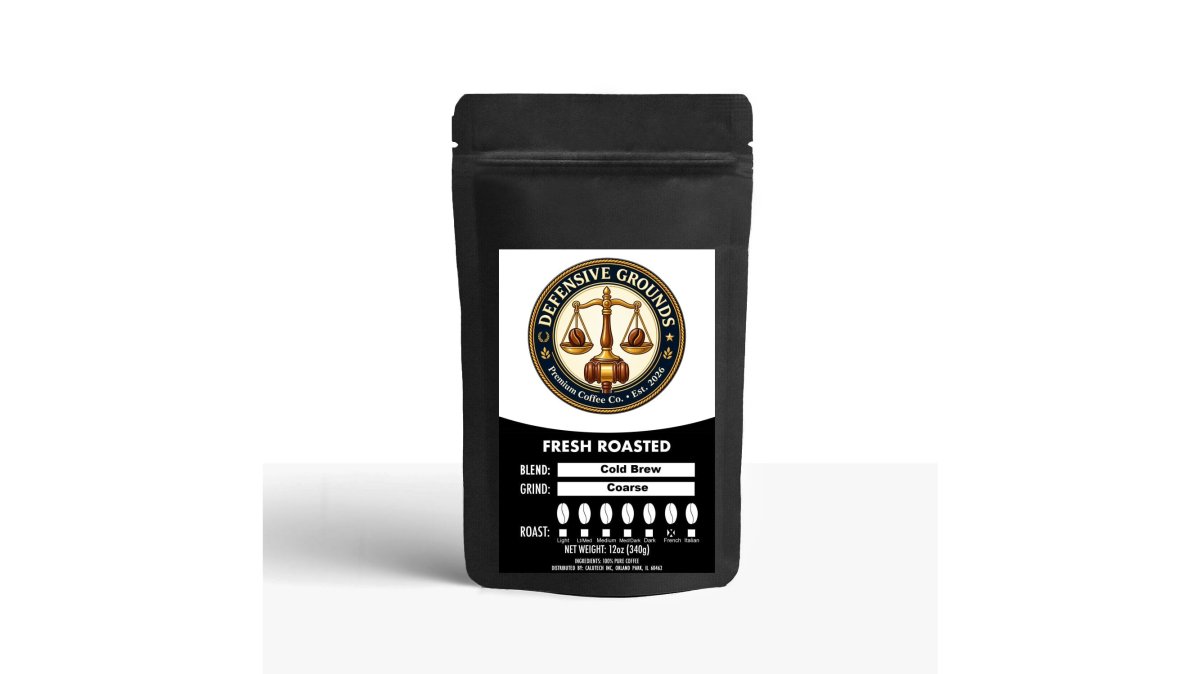
Cold brew solves the portability problem. Our Cold Brew Coffee blend is a dark French roast ground very coarse, specifically built for cold brewing. No additives, nothing artificial, just coffee.
Brew a batch at home, pour it into a thermos, and you have smooth, low-acid caffeine that travels to any night shift. Cold brew concentrate is easy to dilute to taste, so you control the strength cup by cup.
- Best for: Night shifts, commuting, desk-side thermos
- Format: Coarse ground, cold brew
- Price: $24.99
Watch Out
Cold brew concentrate is easy to over-pour. Undiluted, a single glass can deliver more caffeine than two drip cups, and the crash hits harder. Dilute 1:1 with water or milk unless you know your tolerance.
Coffee Caffeine Content by Brewing Method: Drip, Espresso, and Cold Brew
Caffeine content by brewing method matters more than most buyers realize. The same beans deliver very different doses depending on grind, contact time, water temperature, and, the variable people miss most, serving size. Below is a serving-level comparison so you can compare a thermos of cold brew against a break-room drip cup against a canned ready-to-drink coffee on equal footing.
| Format | Caffeine per serving | Notes |
|---|---|---|
| Drip, Arabica | 95-165 mg | Longer contact time extracts more; the widest range of any method |
| Drip, Robusta-heavy | 130-200 mg | Robusta carries roughly twice the caffeine of Arabica by weight |
| Espresso | ~63 mg | Concentrated but low per serving; a double is ~125 mg |
| Cold brew, ready to drink | 100-200 mg | Varies enormously by brand and dilution |
| Cold brew concentrate | 150-300+ mg | Always check the label; dilution is the control valve |
| Instant | 30-90 mg | Generally lower per serving than fresh brewed |
| Ready-to-drink canned coffee | 50-200 mg | Read the label, the spread between brands is wider than between brewing methods |
FDA guidance on caffeine and how much is too much
Why the Same Beans Give Different Numbers
Three mechanisms drive the spread:
- Contact time. Drip and cold brew keep water in contact with grounds for minutes to hours; espresso forces water through in about 25-30 seconds. Longer contact extracts more caffeine, which is why an 8-ounce drip cup can beat a single shot by 50 mg or more.
- Bean species. Robusta averages roughly twice the caffeine of Arabica. A blend with added Robusta raises the ceiling without changing your brewing routine.
- Roast level. Dark roasting reduces bean mass slightly, so a scoop of dark roast weighs less than a scoop of light roast. Measure by weight, not volume, if you want consistent caffeine across roasts.
The Serving-Size Trap
Serving size is the variable that quietly doubles intake. A 16-ounce drip cup is two 8-ounce servings, not one. Two 16-ounce cups before lunch can exceed 300 mg, three-quarters of the commonly cited 400 mg daily ceiling for healthy adults, before you have touched an energy drink or a second pot.
A practical habit: know your mug. Measure it once with a kitchen scale or a marked measuring cup, then do the math against the table above. Most people are surprised to find their "one cup" is closer to two.
Pro Tip
If you brew at home for a long shift, weigh your grounds. A 1:14 coffee-to-water ratio by weight pulls more caffeine per cup than the standard 1:16 without turning bitter, and it keeps your dose consistent from batch to batch.
How to Read a Caffeine Label
Ready-to-drink coffee, cold brew concentrate, and canned products are required to list caffeine content only when the manufacturer makes a caffeine claim, so many labels omit it. When a label does list milligrams, compare it against the same serving size, a 200 mg figure on an 11-ounce can is a different dose than 200 mg in 8 ounces. When no figure is given, treat the product as unknown and start with a smaller serving.
Frequently Asked Questions
What coffee has the most caffeine?
Coffees made with Robusta beans generally contain more caffeine than those made with Arabica. Blends that include Robusta, like Defensive Grounds' Max Caf Blend (Tanzania and India Robusta), deliver a higher caffeine dose per scoop. Cold brew concentrate and espresso also pack more caffeine per fluid ounce because of the higher coffee-to-water ratio. For the strongest cup, look for a Robusta-heavy blend or a dark roast brewed with a low water ratio.
How much caffeine is safe during a long shift?
Most healthy adults can safely consume up to 400 mg of caffeine per day, according to the FDA. During a 12-hour shift, spreading that intake across the day works better than a single large dose. For example, two 8-ounce cups of high caffeine coffee at roughly 150-200 mg each keeps you under the limit. Avoid exceeding 400 mg total, and factor in any tea, soda, or energy drinks you have as well.
When should I stop drinking coffee before going to sleep?
Caffeine has a half-life of about 5 to 6 hours, meaning half the caffeine you consume is still in your system after that time. To protect sleep after a night shift, stop drinking coffee at least 6 hours before your planned bedtime. If you work a 7 p.m. to 7 a.m. shift and plan to sleep by 9 a.m., your last cup should be around 3 a.m. Switching to decaf or cold brew with lower caffeine after that point can help.
Is coffee or an energy drink better for a long shift?
Coffee offers a more controlled caffeine dose and comes with antioxidants and no added sugar. A typical 8-ounce cup of high caffeine coffee provides 95-165 mg of caffeine, while many energy drinks contain 160-300 mg plus sugar and other stimulants. For shift workers, coffee is easier to pace throughout the night and less likely to cause a sudden crash. Cold brew or a portable thermos of French Roast can match the convenience of an energy drink.
Does dark roast coffee have more caffeine than light roast?
Dark roast and light roast contain roughly the same caffeine when measured by weight of beans. However, dark roast beans lose some mass during longer roasting, so a scoop of dark roast may contain slightly more caffeine by volume. Brewing method matters more: a dark roast brewed as espresso or cold brew concentrate will deliver more caffeine per serving than a light roast drip coffee. Focus on your brewing ratio rather than roast color alone.
Long shifts punish guesswork. If your team is running on whatever's in the break room cabinet, the caffeine curve is working against you. Defensive Grounds roasts specialty-grade coffee to order, so it arrives fresh rather than after months on a shelf, and every bag is built for people who bill in six-minute increments. Stock Max Caf Blend for overnight pushes and Breakfast Blend + for the daily grind. Get started with Defensive Grounds and give your firm coffee that understands the work.