How to Improve Employee Morale in Office: A 2026 Guide
Table of Contents
- How to Improve Employee Morale in Office: Start With Diagnosis
- Causes of Low Employee Morale You Might Be Missing
- Ways to Improve Workplace Morale Through Communication and Trust
- Employee Recognition Ideas That Actually Land
- Office Break Room Ideas That Boost Daily Morale
- Measure Morale and Track What Works
- Conclusion
- Frequently Asked Questions
Last Updated: October 4, 2026
How to Improve Employee Morale in Office: Start With Diagnosis
Learning how to improve employee morale in office starts with diagnosis, not decoration. Before you order a new espresso machine or schedule a team outing, find out what is actually dragging morale down. This guide from Defensive Grounds walks through a step-by-step plan we would use ourselves: diagnose first, fix structural causes, then layer in recognition, communication, and break room upgrades that hold up over time.
Watch Out
The most common mistake is treating low morale as a perk problem. If the real cause is unclear expectations or an overloaded team, a pizza party makes things worse, not better. People read it as a signal that leadership is not listening.
Survey Your Team Before You Change Anything
A short anonymous survey beats guesswork. Ask three questions: what energizes you, what drains you, and what one thing would you change. Keep it under ten minutes so participation stays high. Share the results openly, even the uncomfortable parts, and say what you will act on and what you will not.
Watch for the Warning Signs of Low Morale
Watch for the signals that show up before people quit: rising absenteeism, quieter meetings, missed deadlines, and casual "we should catch up" conversations that never happen. Turnover rate is a lagging indicator. By the time it moves, you have already lost people. Treat changes in participation and engagement score as your early warning system.
Causes of Low Employee Morale You Might Be Missing
The causes of low employee morale rarely live in the break room. They live in workload, unclear priorities, and uneven treatment. Teams that feel understaffed for the work they are asked to do will burn out regardless of how good the perks are.
What most guides skip is that the same symptom can have different root causes across teams, roles, and work arrangements. A blanket fix applied to the wrong cause wastes budget and erodes trust.
- Structural overload: too much work, too few people, no prioritization. Look for teams where overtime is normalized and PTO goes unused.
- Unclear expectations: people guess at what "done" means and get corrected. Look for rework, missed handoffs, and conflicting instructions from different managers.
- Uneven recognition: the loudest contributor gets noticed, not the most valuable. Look for quiet high performers who have not been mentioned in a team meeting in months.
Diagnose by Work Arrangement, Not Just by Team
A cause that drives morale down for in-office employees may not register for remote or hybrid colleagues. Run the diagnosis separately for each group.
- In-office employees often cite commute friction, noise, and interruptions. A noisy open floor plan can undo the goodwill of a raise.
- Hybrid employees often cite inconsistency: unclear which days to come in, meetings that exclude remote participants, and recognition that only happens in person.
- Fully remote employees often cite isolation, invisible work, and career anxiety. If promotions consistently go to people who are seen in the office, remote morale drops even when engagement scores look fine.
Diagnose by Employee Need, Not Just by Role
Morale is not one-size-fits-all. Caregivers, employees with disabilities, neurodivergent team members, and people who simply do not enjoy forced social events all experience the same workplace differently. A mandatory happy hour can be a morale boost for one employee and a source of stress for another. Ask about accessibility needs, scheduling constraints, and preferred communication styles in your survey, and treat the answers as design inputs rather than complaints.
Use Stay Interviews to Catch Causes Before They Become Exits
Exit interviews tell you why people left. Stay interviews tell you why they might. Once a quarter, ask each team member three questions in a 20-minute conversation: What keeps you here? What almost made you leave? What would make next quarter better? Document the themes, not the names, and review them alongside your survey data. A pattern that shows up in three stay interviews is a structural problem, not a personality issue.
Ways to Improve Workplace Morale Through Communication and Trust
The fastest ways to improve workplace morale run through communication, not compensation. Trust is built in small, consistent moments: saying what you will do, then doing it. Open communication means bad news travels as fast as good news, and people hear it from their manager first.
Set Clear Expectations and Follow Through
Write down what success looks like for each role and each project. Review it when priorities shift. When you say a decision will be made by Friday, make it by Friday, even if the answer is "not yet."
Hold Managers Accountable for Team Culture
Manager behavior drives team morale more than any policy. Measure it. Ask direct reports in the survey whether they get regular feedback and feel supported. If a manager's team consistently scores low on engagement, that is a leadership issue, not a personality clash.
Employee Recognition Ideas That Actually Land
Employee recognition ideas work when they are specific, timely, and tied to real work. Generic praise ("great job, team") fades in a day. Naming exactly what someone did and why it mattered sticks.
What most guides miss is that recognition is not evenly distributed. The people who speak up in meetings, sit near the manager, or work on visible projects get noticed.
Make Recognition Specific, Timely, and Public
Praise the action, not the person's personality. "You caught the conflict in that contract before it reached the client" lands better than "you're so detail-oriented." Say it within 48 hours, and say it in front of the people who benefit. Client feedback is one of the strongest sources of appreciation you can pass along, so share it when it arrives.
Build an Equitable Recognition System, Not Just a Habit
A recognition habit depends on one manager remembering. A recognition system survives turnover, busy quarters, and hybrid schedules. Build one with three components:
- A shared recognition channel where anyone can nominate a colleague, visible to the whole team. This surfaces quiet contributors who would otherwise be overlooked.
- A monthly review where managers scan the channel for patterns. If the same three names appear every month, the system is working for the visible few, not the team.
- A rotation of recognition moments so the same person is not always the one presenting. Rotating who leads the team meeting or shares a win spreads visibility.
Recognize Remote and Hybrid Employees Equitably
In-person recognition has a built-in advantage: it happens in the room. Remote employees miss it unless you design for them. Three practices close the gap:
- Recognize in writing first. A specific message in the team channel reaches everyone at the same time, regardless of time zone or office attendance.
- Repeat recognition in synchronous meetings. If a remote employee's win was posted on Friday, mention it again in Monday's standup so the in-office team hears it too.
- Avoid recognition that requires physical presence. A trophy passed around the office, a spontaneous toast, or a hallway shout-out all exclude remote colleagues. Choose formats that travel.
Pro Tip
Ask each team member how they prefer to be recognized. Some want public credit, others want a private note. Getting this wrong turns a well-intentioned gesture into an awkward moment. For employees who do not enjoy social events, a private note or a flexible-time perk often lands better than a team dinner.
Hold Managers Accountable for Recognition Habits
Recognition is a management behavior, not a personality trait. If it only happens when a manager remembers, it will not happen consistently. Add two questions to your quarterly engagement survey: "In the last two weeks, have you received specific recognition for your work?" and "Do you know what good performance looks like in your role?" Track the results by manager, not just by team.
Office Break Room Ideas That Boost Daily Morale
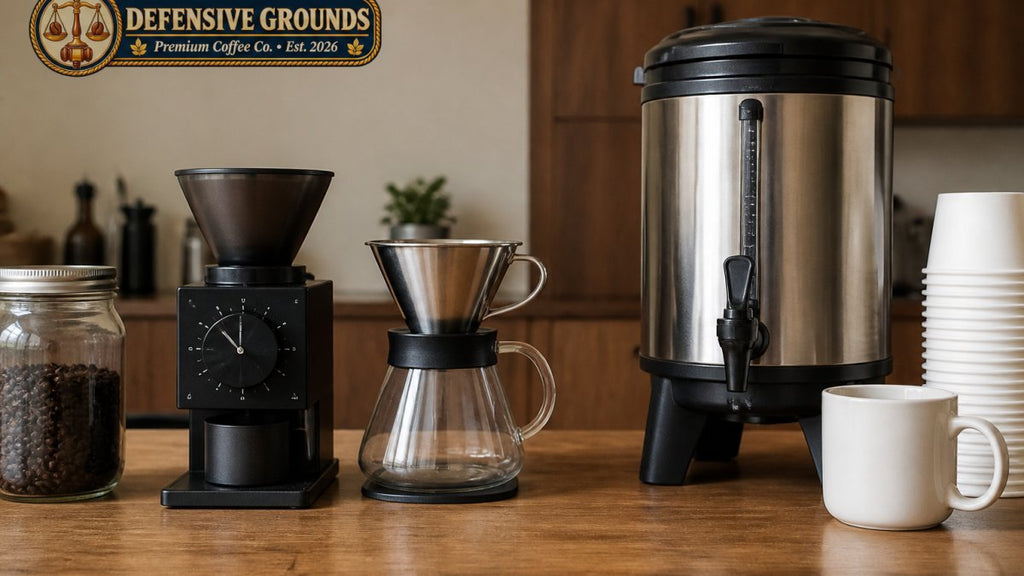
Office break room ideas work best when they remove small daily frictions. A break room that feels like an afterthought tells your team that their breaks are an afterthought too.

Upgrade the Coffee, Upgrade the Break
Coffee is the one perk every employee touches every day. At Defensive Grounds, we roast specialty-grade coffee to order for legal teams who run on caffeine and deadlines, so the break room supply stays fresh instead of sitting on a shelf for months. Our Breakfast Blend is a smooth medium roast built for all-day drinking, and our single-serve capsules keep the ritual simple for offices without a dedicated barista.

Measure Morale and Track What Works
Measurement is what separates a morale program from a morale gesture. Pick two or three metrics and track them quarterly: engagement score, participation rate in team activities, absenteeism, and voluntary turnover. Compare against your own baseline, not industry averages. If a change does not move any of them after two quarters, stop doing it and try something else.
| Signal | What to Track | What It Tells You |
|---|---|---|
| Engagement score | Quarterly anonymous survey | Whether people feel heard and supported |
| Participation rate | Attendance at team events | Whether shared experiences still land |
| Absenteeism | Days missed per person, per quarter | Early strain before turnover |
| Voluntary turnover | Departures by team and manager | Where the real problem lives |
Conclusion
Low morale rarely fixes itself, and guessing at the cause wastes time you do not have. Diagnose first, fix the structural problems, then layer in recognition, communication, and a break room people actually use. Defensive Grounds roasts small-batch coffee to order for legal teams, with free shipping anywhere in the United States, so your break room supply arrives fresh. Start with our Breakfast Blend or single-serve capsules and give your team a break worth taking.

Frequently Asked Questions
What are 5 ways to improve workplace morale?
Five practical ways to improve workplace morale include: 1) Survey your team to identify specific pain points before acting. 2) Set clear expectations so people know what success looks like. 3) Recognize contributions publicly and specifically. 4) Improve the break room with quality coffee and comfortable seating. 5) Hold managers accountable for how their teams feel. These steps address both structural causes and daily experience, which is what actually moves employee morale.
What kills morale at work?
Low employee morale usually comes from a few consistent sources: unclear expectations, lack of recognition, poor communication from leadership, and workloads that feel unsustainable. Office politics and unresolved conflict also erode trust quickly. A break room with stale coffee and no comfortable space to recharge adds to the daily frustration. Diagnosing which of these is driving low morale in your office matters more than applying a generic fix.
How can managers recognize employees in meaningful ways?
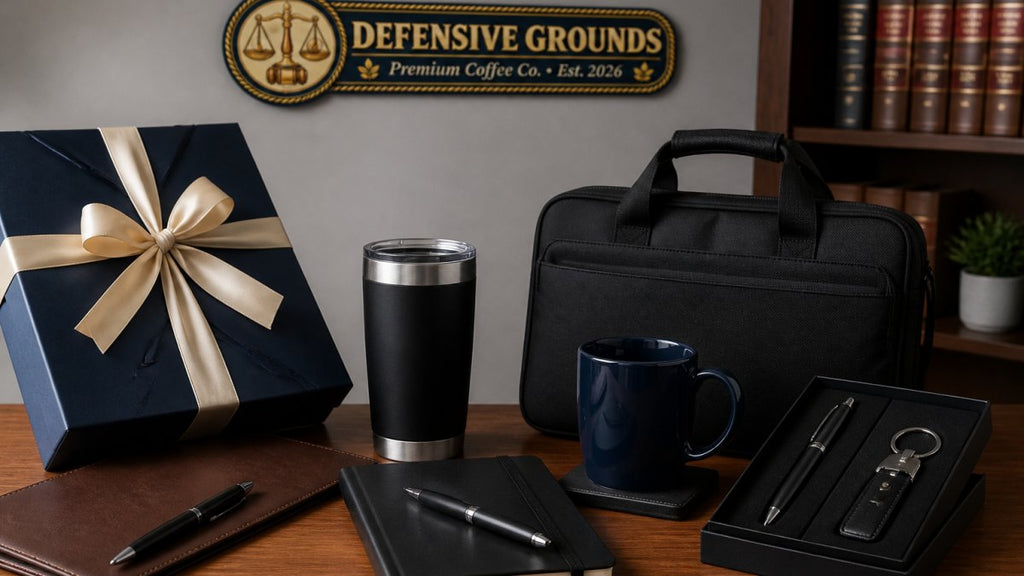
Meaningful employee recognition is specific and timely. Instead of a generic 'good job,' name the exact contribution and its impact. Public acknowledgment in team meetings works for some people; a private note works better for others. Ask your team how they prefer to be recognized. Low-cost options like a handwritten note, a shout-out in a team channel, or a premium coffee gift bag can be more memorable than a formal award.
How can a better break room improve employee morale?
A well-designed break room gives employees a genuine reason to step away from their desks, which supports work-life balance and reduces physical strain. Quality coffee, comfortable seating, and a clean, inviting space signal that the company values employees' daily experience. Small upgrades like a specialty coffee subscription or single-serve capsules make the break feel like a perk rather than an afterthought. These changes are inexpensive relative to turnover costs.
What are low-cost ways to boost morale in the office?
Low-cost morale boosters include: regular one-on-one check-ins, peer-to-peer recognition programs, lunch-and-learn sessions, team volunteering, and a break room upgrade with better coffee. Flexible work options and clear communication cost nothing but have a large effect on job satisfaction. Start with a short survey to find out what your team actually wants, then pick two or three changes you can implement within a month.
How do you measure whether morale interventions are working?
Track a few concrete metrics before and after any change: employee engagement scores from pulse surveys, participation rates in team activities, absenteeism, and turnover rate. Run a short survey every quarter with the same questions so you can compare results over time. If engagement scores rise and absenteeism drops after you introduce recognition programs or break room improvements, the intervention is working. Adjust based on what the data shows.