What Makes Specialty Coffee Worth the Price in 2026
Table of Contents
- Specialty Coffee vs Regular Coffee: The 80-Point Difference
- Why Is Specialty Coffee So Expensive? A Line-by-Line Cost Breakdown
- Specialty Coffee Grading: Bean Quality, Defects, and Traceability
- Growing Conditions, Harvest, and Processing Methods That Raise Quality
- Single-Origin Coffee: What You're Actually Paying For
- How to Choose Specialty Coffee That Fits Your Budget and Taste
- The Limits of Specialty Coffee: When the Premium Isn't Worth It
- Conclusion: Making the Call on Specialty Coffee Worth
- Frequently Asked Questions
Last Updated: October 5, 2026
Specialty Coffee vs Regular Coffee: The 80-Point Difference
Specialty coffee is graded on a 100-point scale by licensed Q graders, and only beans scoring 80 or above earn the label.
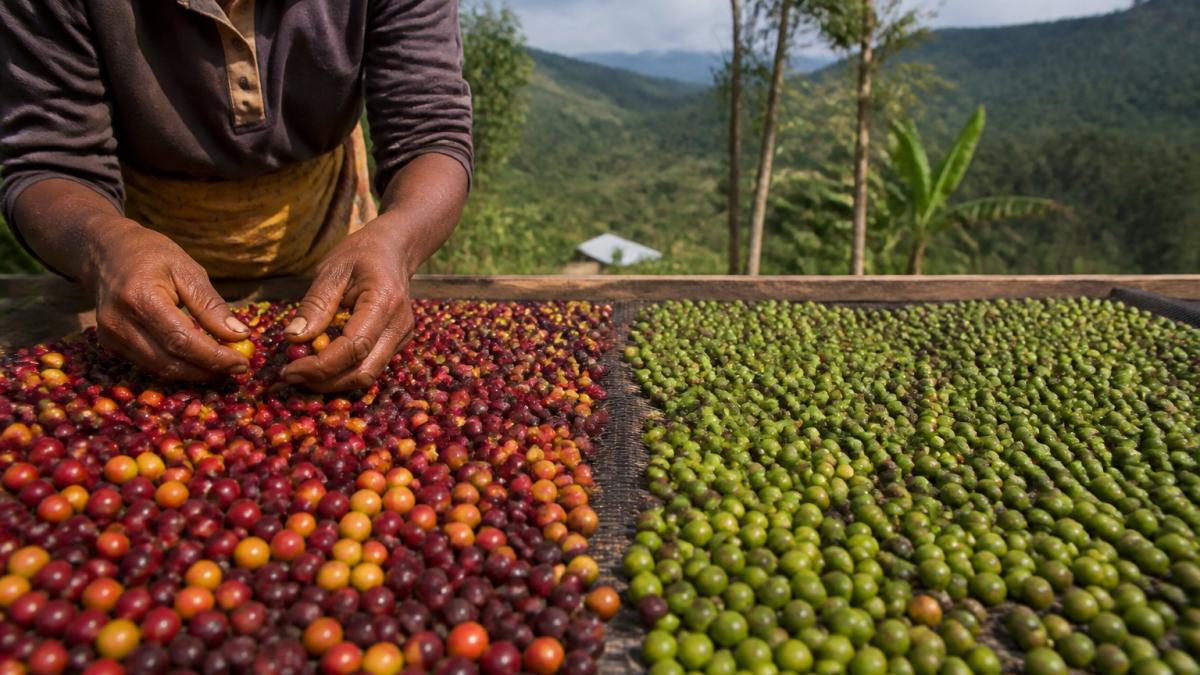
The gap between the two categories is not marketing. It is measurable, and it starts at the grading table.
How Specialty Coffee Grading Works
Grading begins with green coffee, the raw seed before roasting. A licensed grader evaluates a sample for defects, then roasts and cups it to score flavor, acidity, body, and cleanliness. Beans that fall below 80 points are classified as commodity coffee, the category that supplies most mass-market blends. The Specialty Coffee Association's grading standards formalize this process, and the 80-point threshold is the line every specialty roaster has to clear.
| Factor | Commodity Coffee | Specialty Coffee |
|---|---|---|
| Cupping score | Below 80 points | 80 points or higher |
| Defect tolerance | Higher allowance | Strictly limited |
| Traceability | Often blended, unknown origin | Farm and lot identified |
| Harvest method | Mechanical stripping | Selective hand-picking |
Why Is Specialty Coffee So Expensive? A Line-by-Line Cost Breakdown
Specialty coffee costs more because every stage of production demands more labor, more selectivity, and more risk. But "more labor" is not a number, and a number is what makes the premium legible. Below is how a retail dollar typically distributes across the chain, followed by the mechanisms that push each stage higher than its commodity counterpart.
Where the Retail Price Actually Goes
Exact shares vary by origin, lot size, and channel, but a common pattern for a roasted specialty bag sold direct looks roughly like this:
- Farmgate (green coffee paid to the producer): the largest single slice, often the range of a quarter to a third of retail. This is the number that matters most for farmer income, and it is the one commodity blends compress hardest.
- Processing and milling: washing, fermenting, drying, hulling, and sorting at origin. Natural and experimental processes take longer and carry higher risk of spoilage, so they cost more per pound.
- Export, shipping, and import: freight, customs, warehousing, and importer margin. Small lots pay disproportionately here because fixed costs spread across fewer pounds.
- Roasting: green weight shrinks during roasting as moisture leaves the bean, so a roaster buys more green than they sell roasted. Small-batch roasting adds labor per pound and produces more variance the roaster must manage.
Why Each Stage Costs More Than Commodity
Hand-picking ripe cherries takes far longer than machine stripping an entire branch, and it happens at the peak of harvest when labor is scarcest. Processing methods like fully washed or natural fermentation require controlled drying and constant attention; a single missed turn on a drying bed can ruin a lot. Defect sorting at the specialty level removes beans that commodity buyers would accept, which means more green coffee is discarded for the same finished pound.
Key Takeaway
The clearest sign of value is a roast date, not a "best by" date. Coffee peaks in flavor within weeks of roasting, so a printed roast date tells you the roaster is prioritizing freshness over warehouse shelf life.
How to Read a Price Tag Like a Buyer
A few signals separate a justified premium from a markup:
- A named farm, cooperative, or lot rather than a vague region. Traceability costs money to maintain, and it is the precondition for any ethical sourcing claim.
- A stated process (washed, natural, honey, anaerobic) rather than "premium blend." Process is a real cost driver and a real flavor driver.
- A roast date, not just a best-by. Freshness is the one variable you can verify from the bag.
- A price that is high but not absurd. Past a certain point, you are paying for rarity and micro-lot scarcity rather than a proportional jump in the cup. That is a legitimate purchase, but it is a different purchase.
For a like-for-like comparison, convert bag price to cost per cup. Divide the bag price by the number of cups it yields at your dose, a 12 oz bag at 18 g per cup yields roughly 19 cups, so a $20 bag lands near $1.05 per cup before milk, filters, or equipment. Run the same math on a grocery bag and the gap often narrows more than the shelf price suggests, especially once you account for how much of the cheaper bag you actually finish.
Specialty Coffee Grading: Bean Quality, Defects, and Traceability
Bean selection and defect sorting determine whether a lot even qualifies for grading. Green coffee is inspected for full defects such as black beans, sour beans, and foreign matter, and the allowable count is tight at the specialty level. Traceability matters too: a lot tied to a specific farm, cooperative, or region can be verified, while commodity blends often cannot.
Growing Conditions, Harvest, and Processing Methods That Raise Quality
Growing conditions set the ceiling on quality before a single cherry is picked. Altitude, soil, shade, and rainfall shape how a coffee varietal develops, which is why the same species tastes different across regions. Harvest timing matters just as much. Selective hand-picking, where workers take only ripe cherries, protects the cup from underripe or overripe fruit. Processing method then decides much of the final flavor: washed process tends to produce a clean cup with bright acidity, while natural process leaves fruit on the bean longer, adding sweetness and complexity.
Single-Origin Coffee: What You're Actually Paying For
Single-origin coffee is coffee sourced from one defined place rather than blended across regions. Our Single Origin Favorites Sample Pack exists for exactly this reason: six 2oz packs let you compare origins side by side before committing to a full bag. The Ethiopia Natural shows how a full natural process reads in the cup, with milk chocolate, fruity, and caramel notes from hand-sorted Sidama beans.
Single Origin Favorites Sample Pack →


How to Choose Specialty Coffee That Fits Your Budget and Taste
Start with taste, then let budget set the format. The mistake most buyers make is choosing by bag price instead of by cost per cup and by how the coffee will actually be brewed. Below are practical tiers, buying criteria, and a decision path you can run in a few minutes.
Price Tiers and What They Buy
Specialty coffee does not have a single price point. A useful way to think about it:
- Entry tier (roughly the low-to-mid teens per 12 oz): approachable single origins and well-built blends. You get traceability, a roast date, and clean grading, but not micro-lot rarity. This is where most daily drinkers should start.
- Mid tier (roughly the high teens to mid twenties): named farms, specific processes, and more distinctive flavor. The jump in the cup is usually noticeable, especially in pour-over or espresso.
- Top tier (roughly the high twenties and up): micro-lots, competition lots, and rare varietals. You are paying for scarcity and story as much as for flavor. Worth trying once; not the default for a break room.
These ranges shift with origin, harvest, and shipping, so treat them as orientation, not a price list.
Match the Bean to the Brew Method
Grind size and equipment change how a bean tastes, so choose the bean for the method you actually use:
- Drip and batch brew: medium roasts with balanced acidity and body. Look for washed processes and origins known for clarity.
- Pour-over: lighter to medium roasts that reward clarity and acidity. Single origins shine here because there is nowhere to hide a defect.
- Espresso: medium to medium-dark roasts with enough body and sweetness to cut through milk. Natural processes can add fruit and chocolate notes.
- Cold brew: medium-dark roasts with low acidity and high sweetness; the long steep amplifies both.
A Buying Checklist
- Decide your brew method first: grind size and equipment change how a bean tastes
- Match roast level to preference: medium for balance, medium-dark for deeper body
- Check for a roast date, not just an origin
- Compare cost per cup, not cost per bag
- Buy a sample pack before committing to a full-size order
When to Spend More and When Not To
Spend more when you brew carefully, drink black, and want to taste a specific place. Spend less when the coffee is going into a break room, when it will sit in a hopper for weeks, or when milk and syrup will dominate the cup. There is no shame in either choice, the point is to match the spend to the use.
Pro Tip
Cost per cup is the honest comparison. Divide the bag price by the number of cups it yields at your dose, and a higher-priced bag often lands close to a cheaper one once you account for how much you actually enjoy drinking it.
Watch Out
Buying a premium bag and storing it in the freezer door or an open hopper wastes the money you spent. Keep beans sealed, away from light, heat, and moisture, and buy in quantities you will finish within a few weeks.
The Limits of Specialty Coffee: When the Premium Isn't Worth It
Specialty coffee is not automatically the right call for every situation. If you brew with a drip machine you never clean, or you grind weeks ahead, the quality advantage narrows fast. Brewing skill and equipment are real factors in perceived value. An excellent single origin run through a neglected setup will taste ordinary, and a modest bean handled well will taste better than its price suggests.
Conclusion: Making the Call on Specialty Coffee Worth
The honest answer is that specialty coffee worth the price depends on what you do with it. Grading, sourcing, harvest, and processing all raise the floor on quality, but your brewing habits decide how much of that reaches the cup. At Defensive Grounds, we roast every bag to order so the freshness is there when it arrives, and we build our lineup around origins we would stand behind in any courtroom.
Frequently Asked Questions
Why does specialty coffee cost more than regular coffee?
Specialty coffee costs more because of the labor and care at every stage. Hand-picking at peak ripeness, defect sorting, small-batch roasting, and traceable sourcing all add cost that commodity coffee skips. A certified Q Grader scores specialty coffee at 80 points or higher on the 100-point scale, which requires consistent quality control. When you divide the bag price by the number of cups it makes, the gap between specialty coffee worth buying and grocery-store coffee often narrows to just a few cents per cup.
Does more expensive coffee actually taste better?
Price alone doesn't guarantee better taste, but specialty coffee grading does correlate with measurable flavor differences. Beans scoring 80+ on the 100-point scale show cleaner cup profiles, more distinct flavor notes, and fewer defects. However, taste is personal. A medium-dark roast with caramel and brown sugar notes may appeal more to someone who prefers bold, low-acid coffee than a light-roast Ethiopian with floral and fruity notes. The key is matching the roast profile and origin to your preference, not just buying the most expensive bag.
Is single-origin coffee worth the extra cost?
Single-origin coffee is worth it if you want to taste what a specific region, varietal, and processing method actually contributes to flavor. A washed Kenyan coffee from Nyeri County, for example, delivers bright acidity with orange and lemon notes that you won't find in a blend. Blends are designed for consistency and balance, which suits daily drinking. Single-origin coffee is better for exploring flavor and understanding why specialty coffee commands a premium. Try a sample pack of several origins before committing to a full bag.
How can you tell if coffee beans are high quality?
Check four things: the roast date (fresher is better, ideally within two weeks), the origin information (farm, region, altitude, and processing method), the grading score if listed (80+ means specialty grade), and the appearance of the beans (uniform size, no visible defects or broken pieces). Whole beans retain freshness longer than pre-ground. If a bag lists no roast date and no origin, it's likely commodity coffee regardless of what the label claims.
The challenge for any firm is that break room coffee gets treated as an afterthought, and the people running on deadlines pay for it. Defensive Grounds roasts specialty-grade coffee to order, ships it fresh, and wraps it in branding built for the legal profession, with free shipping anywhere in the United States. Get started with Defensive Grounds and give your team a cup that keeps up with the billable hour.