How to Evaluate Fresh Coffee Beans: A Step-by-Step Guide
Last Updated: October 23, 2026
Quick Summary
To evaluate fresh coffee beans, check the printed roast date first, then assess appearance, aroma, flavor, and storage history using a five-part scorecard. Most whole beans hold good flavor for about two to four weeks after the roast date, so buy within that window and store them airtight, cool, and dark.
- Look for a printed roast date, not a best-by date, and be wary of bags with no date at all.
- Score each of the five checks 0 to 2 points; a total of 8-10 suggests the beans are in good shape.
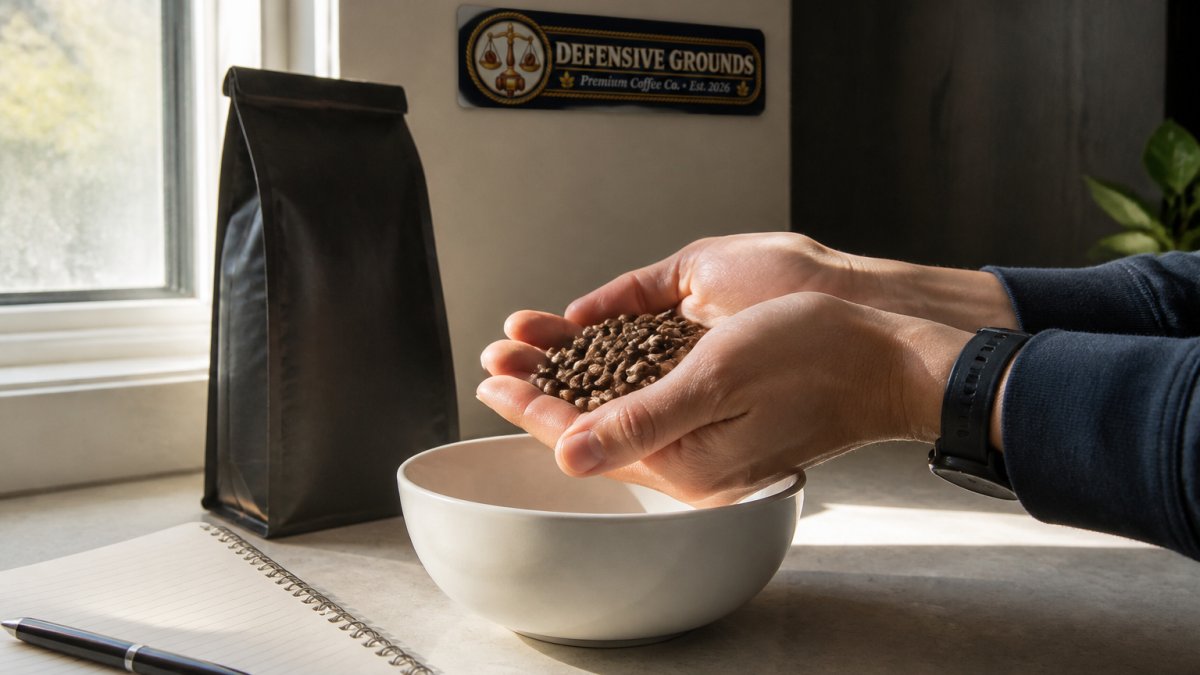
- Crush one bean between your fingers and smell it, since the broken surface releases more aroma.
- Suggested rest after roast ranges from 3-7 days for pour-over to 7-14 days for cold brew.
- Store beans whole in an airtight container in a cool, dark cabinet and grind just before brewing.
Table of Contents
- Why Fresh Coffee Beans Matter More Than the Label
- Start With the Coffee Bean Roast Date
- How Long Do Coffee Beans Stay Fresh?
- The Coffee Bean Freshness Test: Five Checks That Work
- Degassing and the Ideal Rest Period by Brewing Method
- How to Choose Coffee Beans: Freshness vs. Quality
- Storage After Opening: Keeping Beans Fresh at the Office
- Conclusion
- Frequently Asked Questions
Why Fresh Coffee Beans Matter More Than the Label
According to the Specialty Coffee Association's 2026 National Coffee Data Trends report, 66% of Americans had coffee in the past day.
Fresh coffee beans are whole roasted beans still close to their roast date, with intact aroma, visible surface character, and a flavor profile that has not faded into flatness.
Freshness is a window, not a badge. Beans roasted yesterday can still brew a dull cup if the roast level, storage, or rest period is wrong.
Start With the Coffee Bean Roast Date
The roast date is the single most useful number on the bag: it tells you how long the beans have been off the roaster, the clock that matters most for flavor.
Reading a Roast Date Without Getting Fooled
Look for a printed roast date, not a "best by" date. Best-by dates are set by the seller and say little about when the beans were roasted. A roast date is specific and verifiable.
- Check for a day and month, not just a month and year
- Be wary of bags with no date at all
- Prefer bags printed with the roast date on the label, not a sticker added later
How Roast Date Relates to Freshness
Freshly roasted beans release carbon dioxide for days after roasting. That process, called degassing, is why very fresh beans can taste sharp or gassy.
Counter Culture Coffee's brewing guidance treats its 3-5 day brewed-coffee and 5-7 day espresso windows as a general convention, not a hard rule. Useful framing: the date narrows the window, your taste confirms it.
How Long Do Coffee Beans Stay Fresh?
Most whole beans hold good flavor for about two to four weeks after the roast date, then fade gradually. Ground coffee goes stale much faster, often within days, because more surface is exposed to oxygen.
That range shifts with roast level, packaging, and storage: dark roasts lose their edge sooner than light roasts, and airtight beans kept from light and heat outlast beans left open on a counter.
The Coffee Bean Freshness Test: Five Checks That Work
The coffee bean freshness test combines five checks: roast date, appearance, aroma, flavor, and storage history. No single check proves freshness on its own, and the checks sometimes disagree: a recent roast date can still smell flat if the bag sat open, while a slightly older bag stored well can outperform a fresher bag stored badly.
A Practical Freshness Scorecard
Use a simple five-part scorecard: give each check 0 to 2 points, then add them up. This turns subjective impressions into a repeatable read you can compare across bags and over time.
| Check | 0 points | 1 point | 2 points |
|---|---|---|---|
| Roast date | No date or best-by only | Date present but more than 4 weeks old | Printed roast date within 2-4 weeks |
| Appearance | Patchy color, dull or dusty surface | Even color, slight surface oil on a dark roast | Even color, surface character matches roast level |
| Aroma | Flat, papery, musty, or cardboard | Faint but clean aroma | Bright, clear aroma tied to the roast level |
| Flavor | Hollow, thin, no acidity | Pleasant but muted | Balanced acidity, body, and finish |
| Storage history | Open bag, warm or damp spot | Sealed bag, unknown conditions | Airtight, cool, dark, labeled with roast date |
A total of 8-10 points suggests the beans are in good shape; 5-7 means drink them soon and expect some fade; 0-4 signals a change in how you buy or store beans. Use it to spot patterns, especially when one check keeps dragging the total down.
Appearance, Color, and Surface Oil
Whole beans should look even in color for their roast level. Surface oil needs context. America's Test Kitchen's notes on bean freshness points out that fresh beans can have a healthy shine without being greasy, and dark roasts look shinier than light roasts by nature.
Oils migrate to the surface as beans age and as roast level increases, which is why a glossy dark roast can be fresh while a greasy light roast usually is not.
Aroma, Smell, and Fragrance
Smell the bag as soon as you open it. Fresh beans give off a bright, rich aroma; stale beans smell flat, papery, or faintly like cardboard. Oxidation is the mechanism: aromatic compounds react with oxygen and fade while carbon dioxide escapes.
- Crush one bean between your fingers and smell it; the broken surface releases more aroma than the whole bean
- Look for a clear fragrance tied to the roast level, such as cocoa and caramel in a medium-dark roast or citrus and floral notes in a light roast
- Treat a musty or dusty smell as a red flag, since it often points to moisture or poor storage rather than simple age
Flavor, Taste, and Acidity
The final test is the cup. Stale beans taste hollow and thin, with the acidity gone flat. research published in Food Chemistry via ScienceDirect describes coffee quality as commonly judged through sensory analysis by trained cuppers.
Single Origin Favorites Sample Pack →
Pay attention to the finish. Fresh beans tend to leave a clean, lingering impression; stale beans often finish abruptly or leave a dry, papery aftertaste.
Pro Tip
Brew a small cup at two weeks and again at four weeks from the same bag. The change in acidity and aroma will teach you more than any label claim. Score both cups on the same scorecard so you can see which check moved first.
Storage History
Storage history is the check most shoppers skip because it happens before the bag reaches your kitchen. Beans kept in a hot warehouse or sunny display window age faster than the roast date alone suggests. A sealed bag with a one-way valve beats an open bin, and a bag stored cool and dark beats one that sat near a window.
Weighing Conflicting Signals
When the checks disagree, trust the ones closest to the cup: flavor outranks aroma, aroma outranks appearance, and appearance outranks the label. A recent roast date with a flat aroma and hollow cup means the date is not telling the whole story; an older date with a bright aroma and balanced cup means the beans held up better than expected.
Degassing and the Ideal Rest Period by Brewing Method
Degassing is the release of carbon dioxide from freshly roasted beans. It peaks in the first few days and slows over the following weeks. Brew too early and the gas fights your extraction; brew too late and the flavor has faded.
The ideal rest period depends on how you brew:
| Brewing Method | Suggested Rest After Roast | Why It Matters |
|---|---|---|
| Espresso | 5-10 days | Gas disrupts pressure and crema |
| Pour-over | 3-7 days | Lets bright acidity settle |
| Drip | 3-7 days | Balances body and clarity |
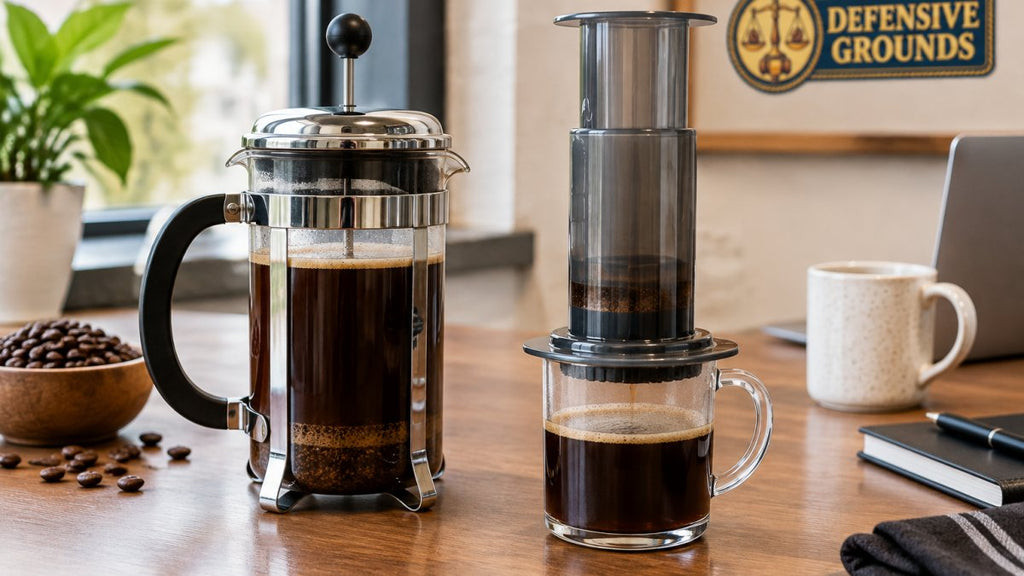
| French press | 5-10 days | Full immersion needs settled gas |
| Cold brew | 7-14 days | Long steep favors rested beans |
How to Choose Coffee Beans: Freshness vs. Quality
Freshness and quality are two separate scores, and you need both. A fresh bag of low-grade beans still tastes thin. A high-grade bag roasted months ago tastes stale.
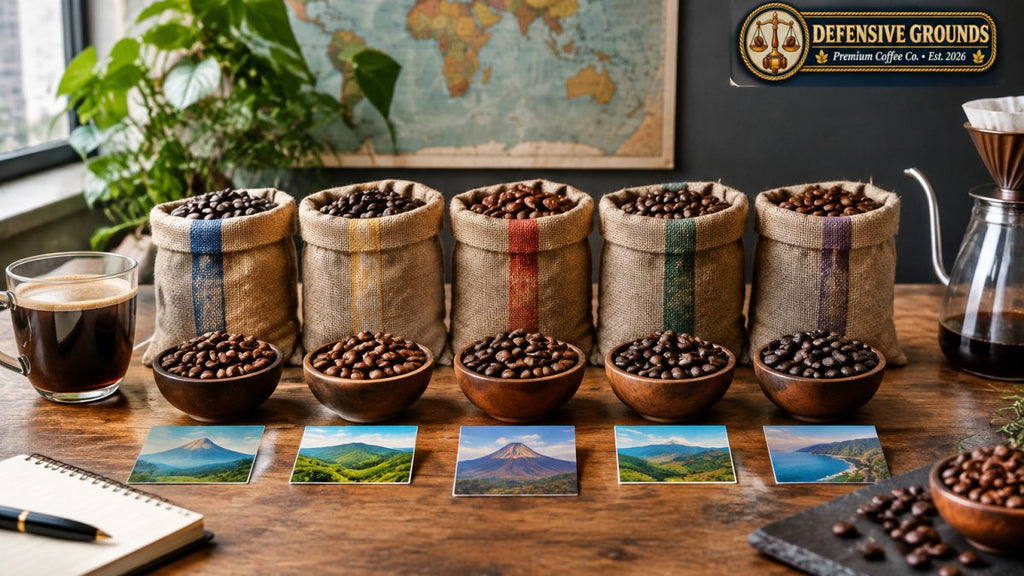
When you choose coffee beans, check the roast date first, then the grade and origin. Our Single Origin Favorites Sample Pack at $24.99 lets you taste six origins side by side, which is the fastest way to learn what a fresh, well-sourced bean tastes like in your own cup.

Watch Out
Do not judge freshness by shine alone. A greasy light roast often signals old beans, while a glossy dark roast can be perfectly fresh. Check the date before you trust the look.
Storage After Opening: Keeping Beans Fresh at the Office
Storage after opening decides how long your freshness window lasts. The enemies are oxygen, moisture, light, and heat: oxygen oxidizes aromatic oils and flattens bright flavors, moisture invites staleness and mustiness, light breaks down compounds near the surface, and heat speeds every one of those reactions.
What Actually Works
- Use an airtight container with a tight seal; a rolled bag with a clip is better than an open bag but not by much
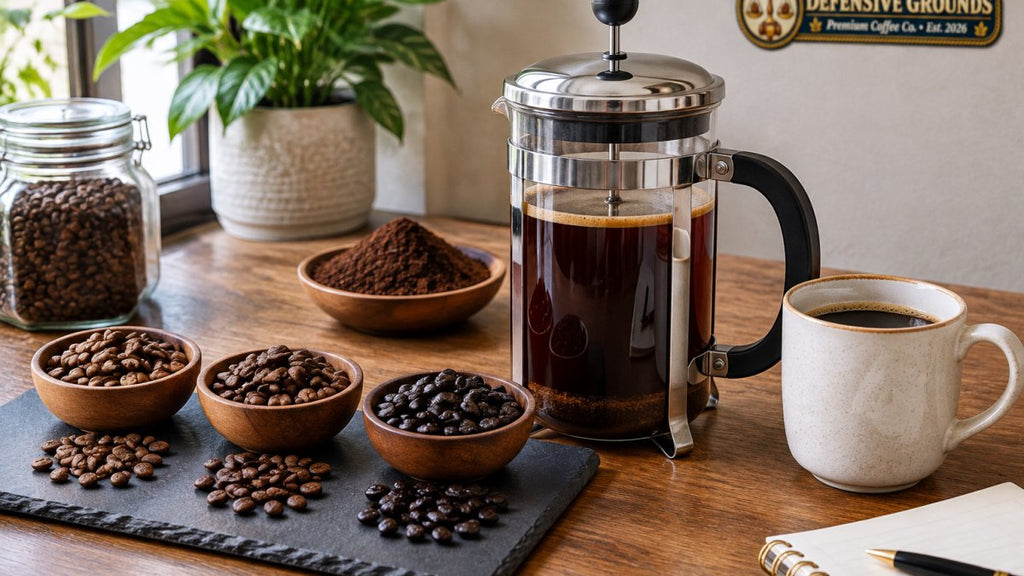
- Keep beans whole and grind just before brewing, since ground coffee exposes far more surface to oxygen
- Store in a cool, dark cabinet away from the stove, the dishwasher, and any sunny counter
People often upgrade their grinder and ignore storage, but stale beans make every grinder look bad. Treat the container as part of the brewing setup.
The Fridge and Freezer Question
The fridge is usually a bad idea: every time you open the door, moisture condenses on the beans, and the fridge is full of odors beans absorb easily. The freezer is different: freezing slows oxidation and can extend freshness for months if you freeze whole beans in an airtight container with as little air as possible, then let the container come to room temperature before opening so condensation forms on the container rather than the beans.
Packaging Cues Before and After Opening
A one-way degassing valve on the bag is a good sign because it lets carbon dioxide escape while limiting oxygen entry; a bag with no valve and no date is a weaker bet. Once you open the bag, the valve stops helping, so transfer the beans to your own container or reseal tightly and use within the window.
Storage at the Office
At the office, the break room is the danger zone: a bag left open near the coffee maker pulls in moisture and odors all day. Transfer beans to a sealed container labeled with the roast date and keep it away from the kettle, the microwave, and the window. Our Best Sellers Sample Pack at $24.99 helps a team find its house favorite before committing to full bags.

A Simple Storage Routine
A routine beats a perfect container you never use. When a bag arrives, write the roast date on your container, fill it, and put it in the coolest dark cabinet you have. Keep a smaller working jar for daily use and refill it from the main container so you open the main supply less often.
Conclusion
The hard part is not learning the checks. It is building a break room that keeps fresh beans in front of a team that runs on deadlines. Defensive Grounds roasts to order in small batches, so bags arrive close to the roast date, and our sample packs make it easy to find the blend your firm actually finishes.
Frequently Asked Questions
How fresh should coffee beans be when I buy them?
Aim for whole beans roasted within the last two to four weeks. Counter Culture Coffee presents its 3-5 day brewed-coffee and 5-7 day espresso timing as a general convention rather than a definitive rule, so treat days-since-roast as a useful guide, not a hard cutoff. Bags with no roast date at all are a warning sign. If your office goes through coffee quickly, order smaller amounts more often so the bag is opened close to its roast date.
Can coffee beans look fresh but taste stale?
Yes. America's Test Kitchen notes that fresh beans may have a healthy, glossy shine without being overly greasy, while dark-roast beans can appear shinier than light-roast beans. That means appearance alone will not tell you whether a bean is fresh. Aroma and taste are stronger signals. If beans smell flat or papery and the cup tastes dull rather than bright, the beans are likely past their best window regardless of how they look.
What should fresh coffee beans smell like?
Fresh whole beans should release a clear, layered fragrance when you open the bag, often described as bright aroma with notes that match the roast level. Medium and light roasts tend to smell fruity, floral, or nutty; dark roasts lean toward cocoa and caramel. Stale beans smell muted, dusty, or like cardboard. A simple coffee bean freshness test is to seal beans in a small jar for a few minutes, then open it and smell: a strong, pleasant burst suggests freshness, while a weak or flat smell suggests age.
How do I choose coffee beans for an office break room?
Match the bean to how your team brews. Whole beans ground fresh outperform pre-ground coffee, and a medium roast like Brazil Santos or a medium-light Ethiopia Natural gives a balanced flavor that suits most palates. Check the roast date, confirm the bag is airtight, and buy in volumes your team finishes within a few weeks. A sample pack, such as the Single Origin Favorites Sample Pack at $24.99, lets a firm test several profiles before committing to a larger order.