How to Source Fresh Roasted Beans Wholesale
Last Updated: October 26, 2026
Quick Summary
To source roasted beans wholesale, start with roasters who publish roast dates and ship within days of roasting, then cup samples blind and run operational checks before signing. Ask every supplier the typical number of days between roast and delivery, and confirm minimums, pricing terms, and batch-to-batch consistency.
- A local roaster can often deliver within a week of roast, the sweet spot for espresso and filter.
- The Best Sellers Sample Pack includes 2oz packs of six coffees for blind cupping.
- Score samples on a 1-5 scale for aroma, sweetness, acidity, body, and finish.
- Set a reorder point keeping one to two weeks of fresh stock on hand.
- Ask whether the minimum is measured in pounds, dollars, or cases before committing.
Table of Contents
- Why Freshness Decides Wholesale Coffee Quality
- Where to Find Wholesale Coffee Beans Suppliers
- How to Vet a Coffee Roaster with a Sample Pack
- Coffee Freshness and Roast Date: What to Check Before You Sign
- Coffee Bean Wholesale Pricing and Minimum Orders
- Shipping, Storage, and Inventory Planning for Bulk Orders
- Blends, Single Origins, and Bag Sizes for Your Volume
- Start Your Wholesale Account with Defensive Grounds
- Frequently Asked Questions
Why Freshness Decides Wholesale Coffee Quality
Freshness separates a memorable cup from a flat one, and it matters most when buying in volume. This guide covers how to source fresh roasted beans wholesale, vetting suppliers, reading roast dates, calculating true cost per cup, and planning storage.
The Specialty Coffee Association's freshness guidance frames freshness as a function of roast date, packaging, and storage, not a vague "premium" label. That distinction should shape every supplier conversation you have.
Where to Find Wholesale Coffee Beans Suppliers
Start with roasters who publish roast dates and ship within days of roasting; a local roaster can often deliver within a week of roast, the sweet spot for espresso and filter alike. National distributors offer better logistics and consolidated billing, but their coffee may sit in a warehouse first. Ask every supplier: what is the typical number of days between roast and delivery?
Local Roasters vs. National Distributors
National distributors win on reliability and scale: certified lines, shipping logistics, and a wholesale ordering portal. The trade-off is freshness lag and less blend customization. Steady, predictable volume suits a distributor; a signature roast profile usually calls for a local roaster.
How to Vet a Coffee Roaster with a Sample Pack
Cup samples side by side under identical conditions, score aroma, sweetness, acidity, body, and finish, then run the operational checks below. To test the roaster's beans before committing to wholesale, order a sample pack.
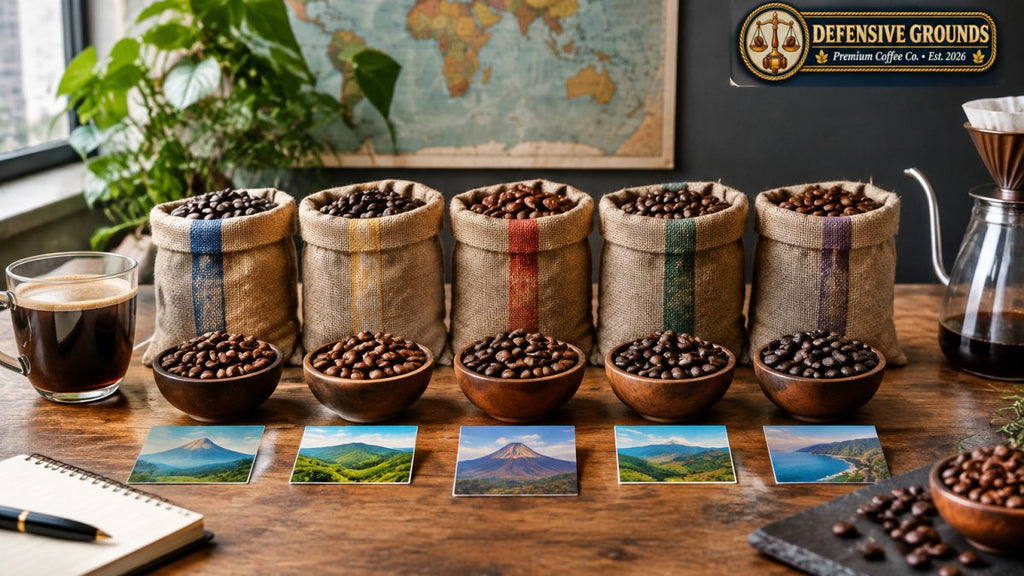
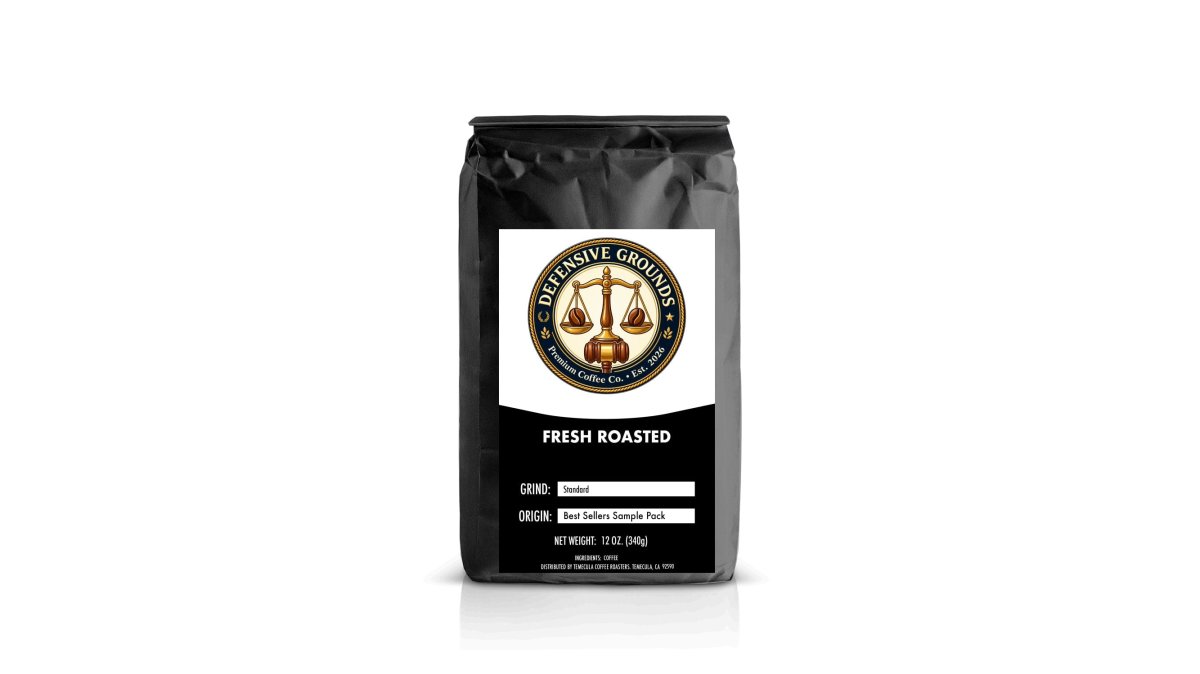
Our Best Sellers Sample Pack includes 2oz packs of six coffees, from a dark 6Bean Blend to medium Peru and Mexico single origins. Cup blind, label cups with codes, not roaster names, and have two or three staff score independently.

A practical vetting checklist:
- Does the roaster publish roast dates on every bag?
- Can they supply consistent roast profiles batch to batch?
- Do they offer organic, Fair Trade, or Direct Trade documentation?
- What is the minimum order and lead time?
- Will they provide references from other cafés?
- Can they scale volume without changing the roast profile?
How to Run a Blind Cupping and Score Samples
Use the same dose, grind, water temperature, and steep time for every sample, a common pattern is a 1:16 coffee-to-water ratio by weight, but consistency matters more than the exact number. Score each on a 1-5 scale for aroma, sweetness, acidity, body, and finish, and note defects: ashy, papery, or woody flavors flag stale or poorly stored green coffee. Keep the score sheets as your baseline for confirming the roaster hasn't drifted on reorder.
How to Test Batch-to-Batch Consistency
Ask for two samples of the same coffee from different roast dates and cup them side by side. If color, aroma, and flavor diverge noticeably, the roaster lacks profile control or is blending lots without telling you. Consistency beats a single great cup, customers expect the same drink every morning, and a roaster who can't hold a profile costs you in remakes, complaints, and menu changes.
How to Verify References and Documentation
Ask for two or three café references and actually call them: how long have they bought from the roaster, do deliveries arrive within the promised window, has coffee ever arrived stale or late? For certified coffee, request the certificate or transaction certificate tying the bag to the claimed origin and certification. A roaster who can't document a Fair Trade or organic claim is asking you to take their word for it.
Best Sellers Sample Pack: 6Bean, Cowboy, Breakfast, Peru, Mexico, Bali →
Coffee Freshness and Roast Date: What to Check Before You Sign
Packaging matters too. For a practical method to judge freshness and roast date before signing, see how to evaluate fresh coffee beans. One-way degassing valves, nitrogen flushing, and opaque bags slow staling. The FDA guidance on food storage and labeling is a useful reference for the labeling standards your supplier should meet. Ask how the coffee is packed and how long it sits before shipping.
Coffee Bean Wholesale Pricing and Minimum Orders
Wholesale accounts typically involve a written agreement covering price, minimum order, payment terms, and delivery schedule. Some contracts lock pricing for a set period; others float with the green coffee market. Net 15 or net 30 terms are common. Ask whether the minimum is measured in pounds, dollars, or cases, a 25-pound minimum is a very different commitment than a $300 minimum depending on your per-pound cost.
Calculating Landed Cost and Cost Per Cup
| Cost Factor | What to Track | Why It Matters |
|---|---|---|
| Price per pound | Invoice cost per lb | Baseline for cost per cup |
| Freight | Shipping cost per order | Changes true landed cost |
| Yield per pound | Cups brewed at your dose | Converts pounds to servings |
| Milk and extras | Cost per drink | Often exceeds coffee cost |
| Waste | Stale or spilled product | Erodes margin quietly |
| Payment terms | Net 15 vs. net 30 | Affects cash flow, not price |
Minimum Orders, Contracts, and Payment Terms
Contracts vary widely: some roasters offer handshake agreements with no minimum term; others require a 6- or 12-month commitment with a volume target. Look for a price-adjustment clause explaining how and when prices change, and a termination clause letting you exit if quality or delivery slips. Some roasters discount for prepayment or auto-pay, ask, because 2% off a $1,000 monthly order adds up over a year.
Shipping, Storage, and Inventory Planning for Bulk Orders
Map weekly usage, then set a reorder point keeping one to two weeks of fresh stock on hand. Store whole bean, grind just before brewing, and keep bags sealed and off the floor in a cool, dry area. Across multiple locations, centralize ordering so one person owns the reorder schedule.
Blends, Single Origins, and Bag Sizes for Your Volume
If you're building a break room supply for a firm, our Colombia has dried orange, berry, and chocolate notes. Browse our blends to match offerings to your menu and volume. Bali Blue has dark chocolate and molasses notes. See our single origin options for your wholesale selection.
Start Your Wholesale Account with Defensive Grounds
Our specialty-grade coffee is roasted to order, and we ship free anywhere in the United States. Our legal-themed branding gives the break room a little personality. If you're outfitting a firm or gifting clients, shop our coffee.
Frequently Asked Questions
How can you tell if roasted coffee beans are fresh?
Check the roast date printed on the bag, not just a best-by date. Freshly roasted beans are typically at their best within two to four weeks of roasting. Look for a one-way degassing valve, a bag that lists the roast date clearly, and a roaster who ships within days of roasting. If a supplier cannot tell you the roast date, that is a warning sign for wholesale buyers.
What is the minimum order for wholesale coffee beans?
Minimums vary widely by supplier. Some local roasters set minimums at 5 to 10 pounds per order, while larger distributors may require 50 pounds or more. Ask about minimums, delivery frequency, and whether the minimum applies per order or per month. For smaller offices, a sample pack and flexible bag sizes can keep you within a workable minimum while you test quality.
How much do wholesale coffee beans cost per pound?
Wholesale pricing depends on origin, roast, volume, and whether the coffee is certified organic or Fair Trade. Ask every supplier for a price per pound at your expected volume and confirm what shipping adds. Then calculate cost per cup: a standard 12-ounce bag brews roughly 20 to 24 cups, so divide the bag price by that range to compare suppliers on a like-for-like basis.
Can you buy specialty coffee beans wholesale for an office?
Yes. Many specialty roasters sell wholesale to offices as well as cafés. Ask about smaller bag sizes, subscription-style recurring orders, and whether the roaster ships free. An office of eight people may need only a few bags a month, so confirm the supplier can accommodate lower volume without sacrificing freshness or charging excessive shipping.
How should wholesale roasted coffee beans be stored?
Store whole beans in an airtight container away from light, heat, and moisture. Do not refrigerate or freeze bags you open daily, since condensation degrades the beans. Buy in quantities you will use within a few weeks rather than stockpiling. If you must hold extra inventory, keep it sealed and rotate stock first-in, first-out so older roast dates get used before newer deliveries.
Ready to stop settling for stale break room coffee? Get started with Defensive Grounds and build a wholesale supply your team actually looks forward to, roasted fresh and delivered to your door.