Medium Roast vs French Roast Coffee for Late-Night Casework
Last Updated: November 7, 2026
Quick Summary
The medium roast vs french roast choice comes down to origin flavor versus roast character. Medium roast keeps caramel sweetness, moderate acidity, and origin flavor intact, while French roast is roasted past second crack for smoky, bittersweet depth, low acidity, and heavy body. French roast is the darkest common roast degree.
- French roast is roasted past second crack, deep into the oil-releasing stage.
- By weight, dark beans contain slightly less caffeine than the same scoop of medium beans.
- Grind French roast one step coarser than the same medium roast in the same brewer.
- Use a ratio near 1:16 for medium roast and near 1:15 for French roast.
- Stock both roasts: medium for balanced flavor, French for a bold, low-acid cup.
Which roast fits your firm's late nights?Defensive Grounds roasts specialty-grade medium and French roasts to order for legal teams.
Shop Medium and French Roast
Table of Contents
- Medium Roast vs French Roast Coffee at a Glance
- Coffee Roast Levels Chart: Where Medium and French Sit
- Medium Roast vs French Roast Coffee Taste: Flavor, Aroma, and Body
- French Roast vs Dark Roast Caffeine: What the Measurements Actually Show
- Medium Roast vs Dark Roast: Which Is Healthier?
- Brewing Each Roast: Grind Size, Ratios, and Methods That Work
- Freshness, Degassing, and Storing Both Roasts in a Breakroom
- Stocking Your Firm's Breakroom With the Right Roast
- Frequently Asked Questions
Medium Roast vs French Roast Coffee at a Glance
The medium roast vs French roast coffee decision comes down to how much of the bean's origin you want to taste versus how much dark, bittersweet roast character you want in the cup. Medium roast keeps caramel sweetness, gentle acidity, and origin flavor intact.
At Defensive Grounds, we roast both styles for law firms where late-night casework runs on reliable caffeine and a cup that still tastes good at 11 p.m.
Side-by-Side Comparison Table
| Feature | Medium Roast | French Roast |
|---|---|---|
| Roast level | Medium brown, no surface oil | Darkest end of the spectrum, oily sheen |
| Flavor | Caramel, cocoa, balanced sweetness | Bittersweet, smoky, roasty |
| Acidity | Moderate brightness | Low |
| Body | Medium mouthfeel | Heavy, syrupy |
| Origin character | Clearly present | Mostly muted by roast |
| Best brew method | Drip, pour-over | Espresso, French press |
| Caffeine by weight | Slightly higher | Slightly lower |
The biggest mistake we see is treating "French" as a place. It is not an origin. It is a roast profile, and everything else follows from that.
Coffee Roast Levels Chart: Where Medium and French Sit
A coffee roast levels chart runs from light to dark, and the two roasts in question sit far apart on it. The National Coffee Association's roast guide lists medium roast, often called American roast, and French roast as distinct named styles, though it sets no universal temperature boundary between levels.
Here is the working spectrum most roasters use:
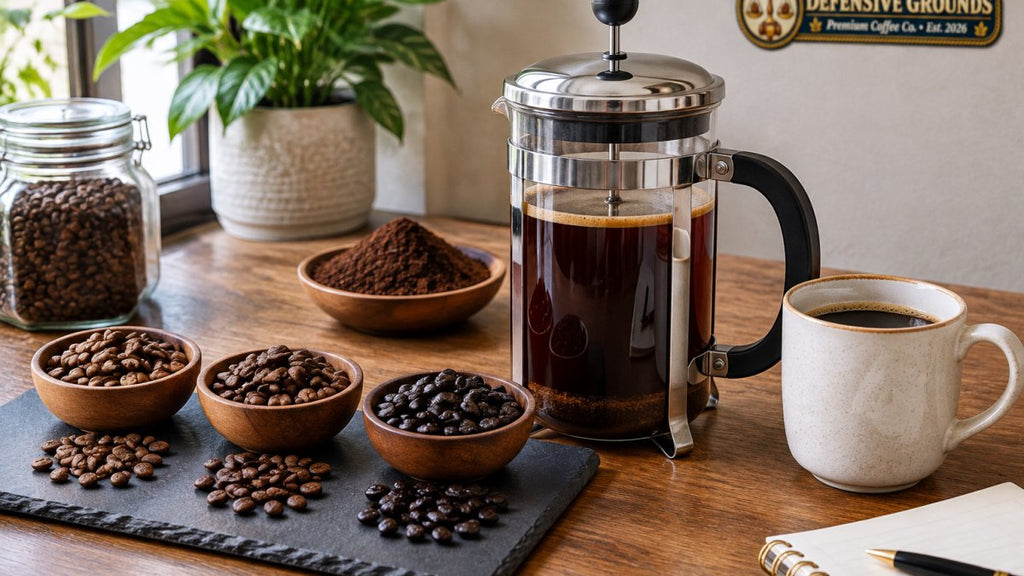
- Light roast: light brown, no oil, bright acidity, grain-like and floral notes
- Medium roast: medium brown, dry surface, caramel and cocoa sweetness, balanced acidity
- Medium-dark: richer body, first hints of oil, darker sweetness
- Dark roast: dark brown, visible oil, low acidity, bittersweet
- French roast: near-black, heavy oil sheen, smoky and roasty, origin flavor largely gone
French roast is the darkest common roast degree. That position on the chart explains almost every difference that follows.
First Crack, Second Crack, and What French Roast Actually Means
Roasting moves through audible stages. First crack is the popping sound of moisture escaping as beans expand, which marks the start of the light-to-medium range. Second crack is a quieter, faster crackling as cell walls break down, and that is where dark roasts begin. French roast is roasted past second crack, deep into the oil-releasing stage.
Watch out: labels are not standardized, so one roaster's "dark" can be another's "French." Judge by bean color and surface oil, not the name alone.
Medium Roast vs French Roast Coffee Taste: Flavor, Aroma, and Body
Medium roast vs French roast coffee taste differs most in sweetness, smoke, and mouthfeel, and the gap comes from how far the roast pushes the bean past first crack. Medium roast stops the development while sugars are still caramelizing and acids are still intact.
Flavor: caramel and cocoa versus smoke and bittersweet roast
Medium roast lands in the range where Maillard reactions and caramelization are producing toasted-sugar and cocoa compounds without burning them off. The cup reads sweet, with caramel, milk chocolate, and a clean finish. French roast has moved past that window. The sugars are largely degraded, so the dominant notes are smoky, roasty, and bittersweet, closer to dark chocolate and char than to caramel. Drinkers who add milk and sugar sometimes prefer a darker roast because its roast character cuts through dairy.

Aroma: toasted sugar and nuts versus smoke and dark chocolate
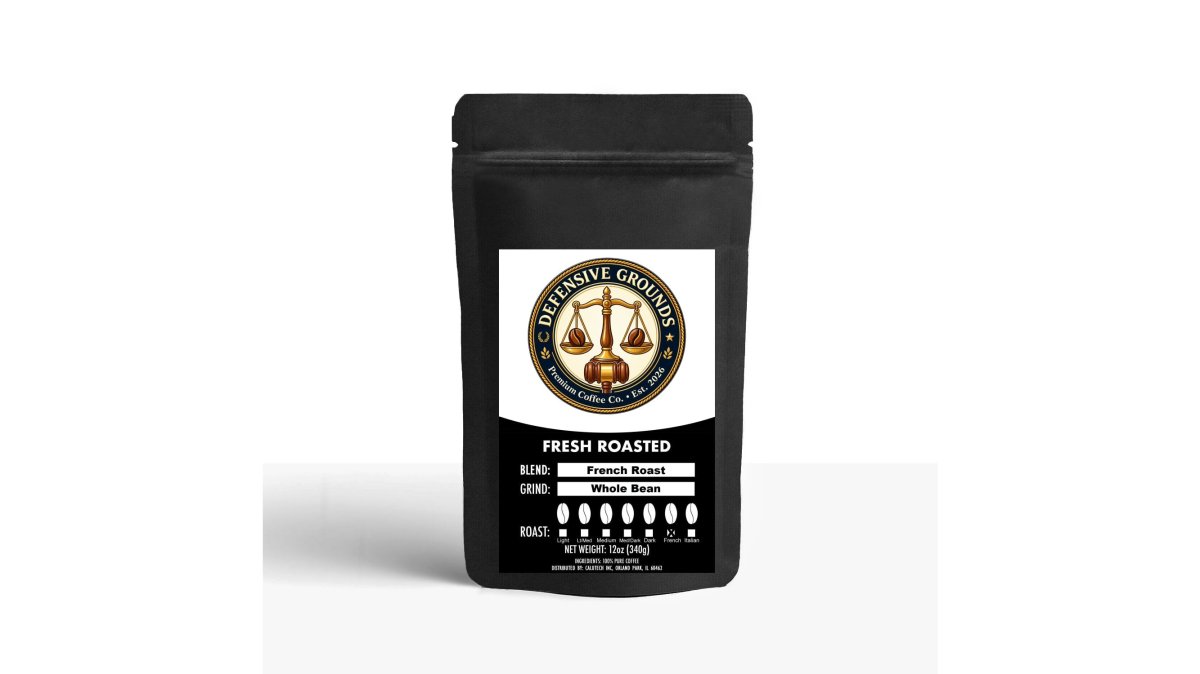
The nose follows the same split. Medium roast smells of toasted sugar, nuts, and sometimes dried fruit, because the aromatic compounds from the origin survive the gentler profile. French roast smells of smoke and dark chocolate, and the origin's floral or fruity aromatics are mostly gone. If you want to try the darker side, our French Roast is a deep dark roast of high-scoring African coffees with an oil sheen and low acidity.

Acidity, bitterness, and body
Acidity falls as roast degree rises. Medium roast keeps a moderate brightness that reads as juicy or crisp, depending on origin. French roast has low perceived acidity because the acids that survive to medium are largely destroyed by the time the bean reaches French roast. Bitterness moves the other way: French roast is more bitter, partly from roast-derived compounds and partly from the heavier body that carries them. Body is the clearest tell.
How roast mutes origin character
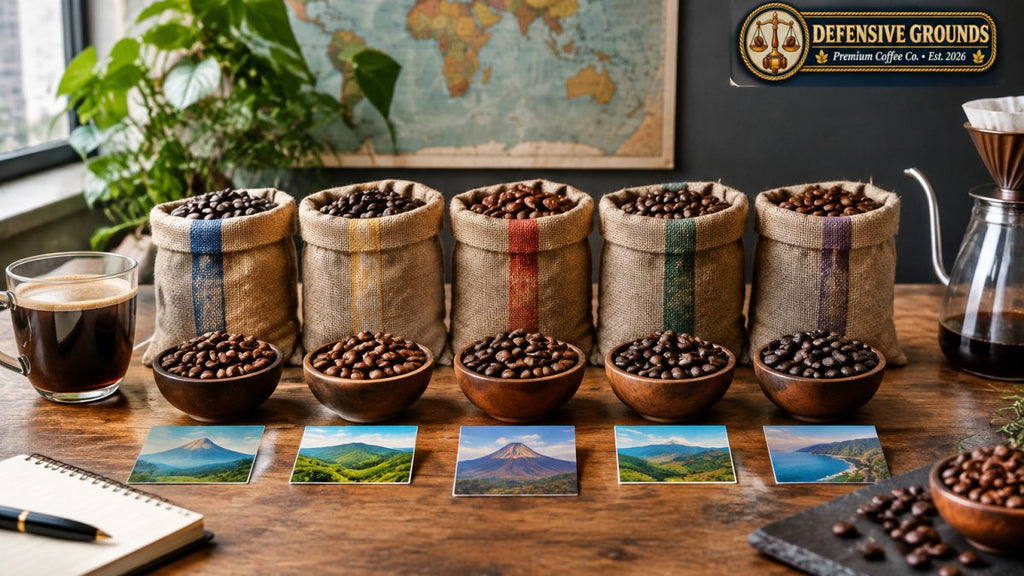
This is the trade-off at the heart of the comparison. Medium roast is a window onto where the bean grew: a washed Ethiopian reads floral and citric, a Colombian reads caramel and red apple. French roast is a window onto the roast itself.
Best for: drinkers who want bold, low-acid coffee. Skip if: you want to taste where the bean grew.
French Roast vs Dark Roast Caffeine: What the Measurements Actually Show
French roast vs dark roast caffeine questions usually start from a myth: darker means stronger. By weight, the opposite is closer to true.
In practice, brew strength and grind size matter far more than roast level. A strong French press of French roast can hit harder than a weak drip medium roast. For a deeper look, read our breakdown of light vs dark roast caffeine.
Medium Roast vs Dark Roast: Which Is Healthier?
The practical takeaway: choose by taste.
Brewing Each Roast: Grind Size, Ratios, and Methods That Work
Brewing method should follow the roast, but the useful advice is not which method suits which roast. It is how grind size, water temperature, brew ratio, and contact time change the cup for each one. Dark beans are more porous and extract faster, so the same recipe that flatters a medium roast can turn a French roast bitter. The variables below are starting points to adjust from, not fixed rules.
Grind size and contact time
Medium roast behaves like a denser, less soluble bean, so it tolerates a finer grind and a longer contact time without going harsh. French roast is the opposite: the bean has already been cooked to the edge, so it gives up its solubles quickly. A common pattern is to grind French roast one step coarser than you would the same medium roast in the same brewer.
Water temperature
Water just off the boil, around 200°F, is the usual target for medium roast because the cooler end of the range under-extracts its sweetness. French roast is more forgiving of lower temperatures because it extracts so readily, and some drinkers prefer it brewed a few degrees cooler to keep the roast notes from tipping into char. Watch out: a brewer that runs cold will make medium roast taste sour and thin while making French roast taste merely mild, which can fool you into blaming the bean.
Brew ratio
A ratio near 1:16 (one part coffee to sixteen parts water by weight) lets a medium roast show sweetness and brightness without thinning out. French roast often benefits from a slightly tighter ratio near 1:15 because its heavy body and roast character stand up to more coffee, and the extra dose keeps the cup from tasting watery even as the bitterness rises. The mistake to avoid is assuming darker means you need less coffee.
Method-by-method starting points
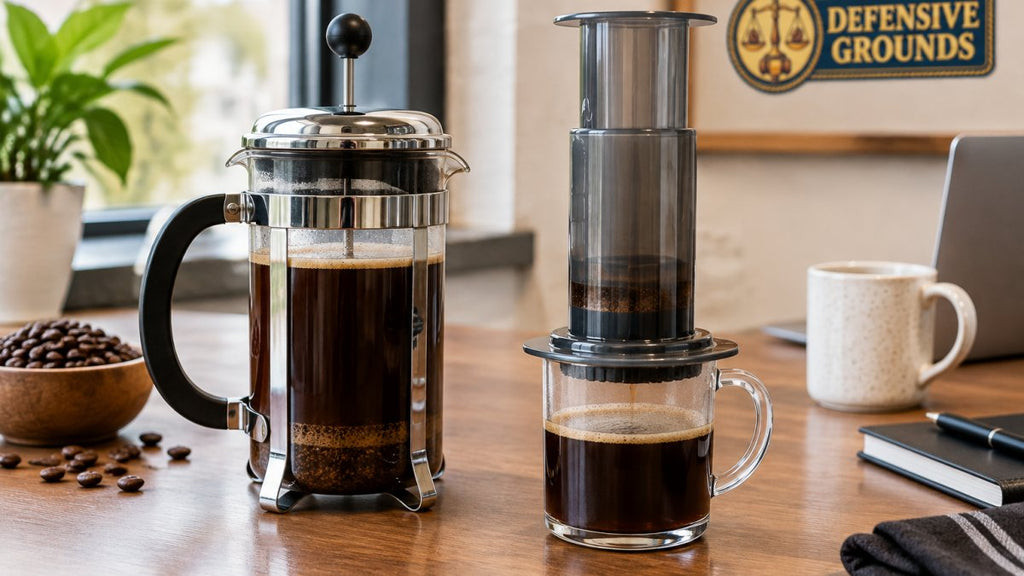
- Drip: medium grind, 1:16, 200°F. Medium roast shines here; French roast works but can taste flat if the brewer runs long.
- Pour-over: medium-fine grind, 1:16, 200°F, with a total brew time around three minutes. Medium roast rewards the control; French roast needs a coarser grind and a faster finish.
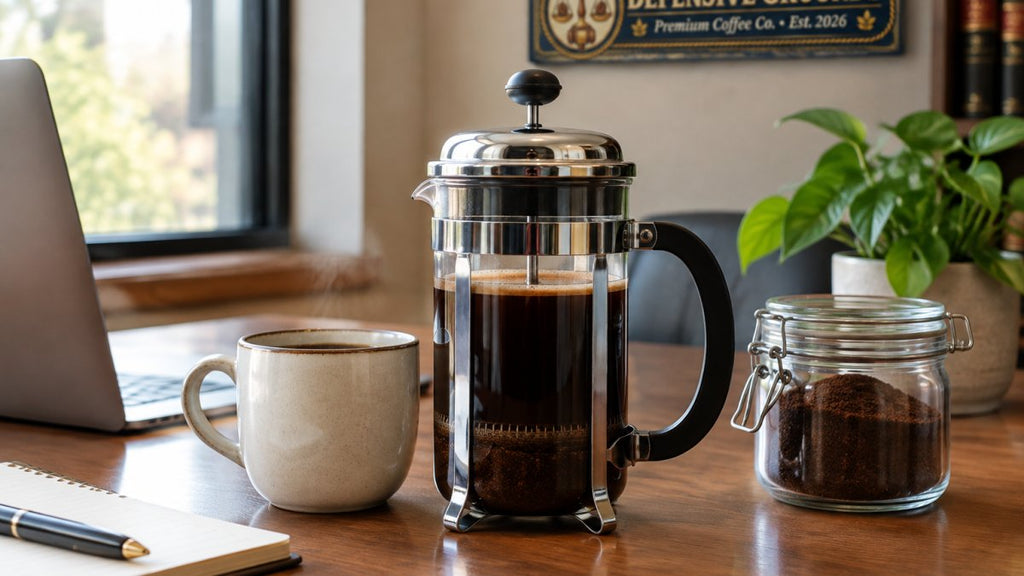
- French press: coarse grind, 1:15, 200°F, four-minute steep. French roast is the natural fit; medium roast can taste muddy if the grind is too fine.
- Espresso: fine grind, a ratio near 1:2 in and out, and a shot time around 25 to 30 seconds. French roast builds crema and body easily; medium roast needs a finer grind and a longer shot to avoid sourness.
Two rules we would give any firm:
- Keep grind size matched to contact time; dark beans extract faster, so err coarser
- Taste before adding milk; French roast's heavy body often needs none
Freshness, Degassing, and Storing Both Roasts in a Breakroom
Freshness matters a great deal. Beans release carbon dioxide for days after roasting. Buy bags with a visible roast date, store them sealed and away from light, and grind just before brewing.
For a full method, see our guide to evaluating fresh coffee beans. Watch out: pre-ground coffee in an open breakroom canister stales within days, so whole bean and a grinder protect your investment.
Stocking Your Firm's Breakroom With the Right Roast
Stock both. Our Medium Blend is a well-balanced house blend with medium body and acidity, and it pairs neatly with a dark option on the same shelf. If you are ready to buy at volume, our guide to sourcing fresh roasted beans wholesale walks through the process.

The challenge is simple: keep a breakroom that satisfies both the 8 a.m. associate and the 2 a.m. trial team.
Frequently Asked Questions
What is the difference between medium roast and French roast coffee?
The difference is roast degree. Medium roast beans stop at a medium brown color with a dry surface, keeping more origin character, brightness, and caramel sweetness. French roast is pushed to the darkest end of the spectrum, so the beans turn dark brown and glossy with surface oil, and the cup tastes bittersweet, smoky, and low in acidity. Neither is a quality tier; they are two points on the same roasting scale, and the right pick depends on whether you want brightness or a heavy, roasty cup.
Does French roast coffee taste stronger than medium roast?
It tastes darker, not necessarily stronger. French roast carries smoky, bittersweet, and roasty notes with a heavy mouthfeel, while medium roast keeps caramel sweetness and brighter acidity. If you brew both at the same coffee-to-water ratio, the French roast reads as more intense because the roast flavors dominate. Strength is set by how much coffee you use, so a weak French roast pot is entirely possible. For a firm that wants bold flavor without extra caffeine, French roast delivers the darker profile without changing the dose.
Which has more caffeine, medium roast or French roast?
By weight, the difference is small, and roast level is not the main lever. Caffeine is set mostly by the coffee dose and the bean itself, so a 12-ounce mug brewed with 20 grams of medium roast and one brewed with 20 grams of French roast land in a similar range. What changes is the flavor concentration. If your team is chasing energy during trial prep, control the dose and the cup size rather than assuming the darkest roast is the strongest.
Is French roast the same as dark roast?
French roast is a dark roast, but not every dark roast is French. Dark roast is the broad category; French roast is a specific, very dark profile named for the roast level rather than any country of origin. Roast labels have no universal temperature cutoff, so one roaster's dark roast may sit lighter than another's French roast. When comparing, look at bean color and surface oil rather than the name alone.
Which roast is better for espresso, medium or French?
Both work, and the choice is about the shot you want. French roast's low acidity and heavy body produce a classic dark espresso with a bittersweet finish and steady crema, which suits milk drinks and late-night sipping. Medium roast espresso keeps more origin flavor and brightness, so it tastes fruitier and more layered but can turn sharp if extraction runs long. Pull medium roast slightly cooler and shorter, and expect French roast to need a coarser grind because the beans are less dense.